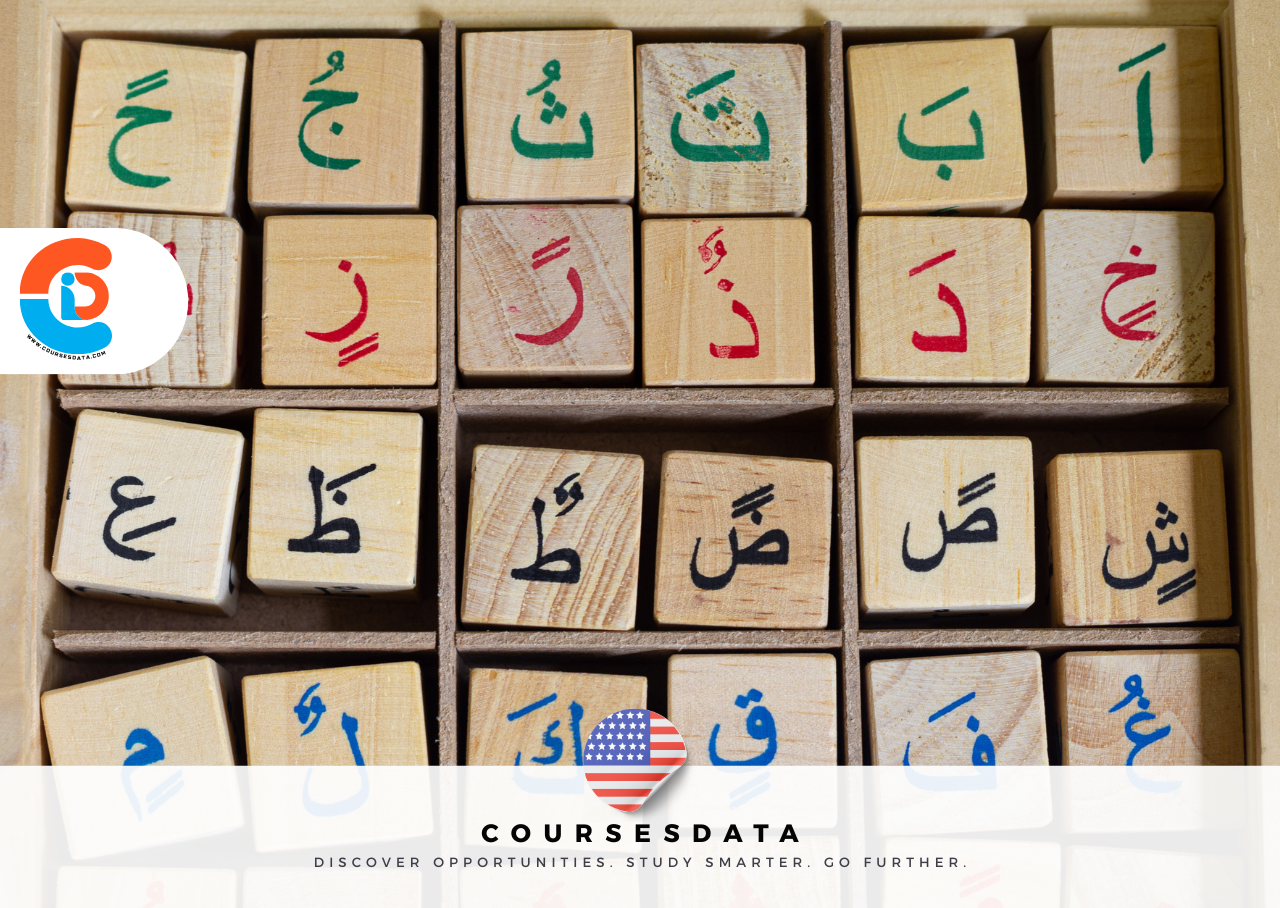
Have you ever wondered why so many Turkish words use in Arabic sound identical across Cairo, Baghdad, and Istanbul? The historical fusion of these cultures created a vast lexicon where Arabic words of Turkish origin define everyday life, reflecting centuries of shared Ottoman administration and social integration.
The Historical Legacy of Ottoman Arabic Dialects
The centuries-long presence of the Ottoman Empire in the Middle East fundamentally reshaped the linguistic landscape of the region. This era introduced administrative, military, and domestic terminology that remains deeply embedded in modern spoken Arabic dialects across the Levant, Egypt, and North Africa today.
- Efendi
- Pasha
- Bey
- Hanim
- Basha
- Tuz
- Kupri
- Oda
- Daman
- Yasak
- Kushuk
- Bas
- Abla
- Tiz
- Sanjak
Turkish Words in Arabic Culinary Traditions
Food is perhaps the most vibrant area where Turkish influence remains undeniable in the Arab world. Many of the most famous dishes and kitchen tools carry names that migrated from Anatolia, becoming staples of the Arabic language and the Mediterranean dining experience for generations.
- Baklava
- Shish
- Kofta
- Doner
- Borek
- Sujuk
- Tawouk
- Kebab
- Siniya
- Khashaf
- Tava
- Kazan
- Jarrah
- Bastirma
- Sharbat
Administrative and Military Terms of Turkish Origin
The structure of government and the military in the Arab world was historically modeled after the Ottoman system. Consequently, the vocabulary used to describe ranks, official buildings, and legal processes often reveals a clear Turkish etymology that survived long after the empire dissolved.
- Onbashi
- Yuzbashi
- Binbashi
- Miralay
- Kishla
- Saray
- Tabu
- Gumruk
- Karkon
- Boluk
- Daftar
- Chawish
- Agha
- Sirdar
- Wali
Common Household Objects and Living Spaces
When we look around a traditional Arab home, the names for furniture and architecture frequently highlight the Turkish words we use in Arabic. These terms migrated during the modernization of housing in the 19th century, replacing older Semitic words with more “modern” Ottoman equivalents.
- Kanaba
- Dulab
- Yatak
- Bardaia
- Mashaia
- Oda
- Doshak
- Kursi
- Sofa
- Sandooq
- Masa
- Chakish
- Burgu
- Shantah
- Kiz
Language is fluid, and many words changed meaning as they moved from Turkish into Arabic dialects. Scholars note that while some terms maintained their original definitions, others took on more colloquial or specialized meanings within the context of specific Arab urban centers like Damascus or Cairo.
| Original Turkish Word | Arabic Pronunciation | Meaning in Arabic |
|---|---|---|
| Köprü | Kupri | Bridge |
| Oda | Oda | Room |
| Elmas | Almaz | Diamond |
| Çekiç | Chakish | Hammer |
| Çanta | Shanta | Bag |
| Boya | Buya | Paint / Polish |
| Dondurma | Dandurma | Ice Cream |
| Sucuk | Sujuk | Sausage |
The Role of Suffixes and Linguistic Adaptation
One of the most fascinating aspects of Turkish influence is the adoption of the “-ji” suffix to denote a profession. This Turkish grammatical structure was seamlessly integrated into Arabic, allowing speakers to create new words by simply adding this ending to an existing noun.
- Kahwaji
- Makwaji
- Buharji
- Sakarji
- Balatji
- Kababji
- Bostanji
- Kharbatji
- Sa’atiji
- Amanatji
- Fararji
Words Related to Clothing and Fashion
The Ottoman court set the standard for fashion across its provinces for hundreds of years. This dominance is reflected in the terminology for fabrics, garments, and tailoring techniques that remain the standard way to describe clothing in many Arabic-speaking countries today.
- Tarboosh
- Yaka
- Kaftan
- Kishmir
- Satan
- Jizma
- Yanshaq
- Burnus
- Fusta
- Sharshaf
- Qatifa
- Dantail
- Aba
- Sadar
- Kamar
Professional and Social Status Titles
Social hierarchy in the Arab world was historically defined by Ottoman titles. While these titles no longer carry official legal weight in most modern Arab republics, they are still used as marks of respect, affection, or irony in daily conversation and media.
- Ustaz
- Abandi
- Basha
- Hanim
- Abla
- Khalton
- Dada
- Naina
- Baba
- Osta
- Khawaja
- Amira
- Sultan
- Shah
- Beig
Tools and Craftsmanship Terminology
The guilds and workshops of the Ottoman era were the primary source of technical vocabulary for artisans. Blacksmiths, carpenters, and builders in the Arab world still use a lexicon that is heavily influenced by Turkish technical terms inherited from the Imperial apprenticeship systems.
- Masha
- Tanaka
- Pansa
- Shinjar
- Karkahan
- Tamba
- Zamba
- Sumbuq
- Malaj
- Qazzaz
- Borghu
- Kalar
- Sawwaq
- Tashlih
- Farn
Expressions of Emotion and Character Traits
Interestingly, some of the most colorful insults and compliments in Arabic have Turkish roots. These words often describe personality quirks or social behaviors, showing how deeply the two cultures interacted on a personal level beyond formal trade or governance.
- Sarsari
- Tanbal
- Ghashim
- Bouz
- Zalat
- Kurdus
- Daman
- Fahl
- Bahlul
- Ayar
- Kalamnji
- Sokarji
- Tashrifat
- Bandoq
- Faltah
Frequently Asked Questions
Why are there so many Turkish words in the Egyptian dialect?
Egypt was an Ottoman province for nearly three centuries, leading to a heavy influx of Turkish military and administrative terms. Over time, these words filtered down from the ruling elite into the daily speech of the common people.
Is the suffix u0022-jiu0022 actually Turkish?
Yes, the suffix u0022-cıu0022 or u0022-ciu0022 in Turkish is used to denote a person’s occupation or interest. Arabic speakers adopted this and modified it to u0022-jiu0022 to create titles like u0022Kahwajiu0022 (coffee maker).
Are these words used in Modern Standard Arabic (Fusha)?
Most Turkish loanwords are restricted to u0022Ammiyau0022 or colloquial dialects. In formal Fusha, scholars typically prefer original Arabic roots, though some administrative terms like u0022Gomroku0022 (Customs) are widely accepted even in formal contexts.
Did Arabic influence the Turkish language as well?
The influence was mutual and actually heavier in the opposite direction. Before the 1932 Turkish language reforms, nearly 80% of the Ottoman Turkish vocabulary consisted of Arabic and Persian loanwords.
Which Arab country uses the most Turkish words?
Iraq, Syria, Lebanon, and Egypt generally have the highest concentration of Turkish loanwords. This is due to their long history as central administrative hubs within the Ottoman Empire’s core territories.
Conclusion
Exploring Turkish words we use in Arabic reveals a fascinating history of cultural exchange and shared identity. These linguistic bridges remind us that our modern languages are living museums of the empires and migrations that shaped the Middle East.