
Cloud computing engineering combines software development, infrastructure, networking, automation, security, and cloud architecture.
This guide explains Cloud Computing Engineering: Top 10 Jobs in Various Countries – Salaries, including what each role does, the skills employers look for, and representative salary data from official labor-market sources.
What Is Cloud Computing Engineering?
Cloud computing engineering focuses on designing, deploying, securing, automating, and maintaining applications and infrastructure that run on cloud platforms.
Depending on the employer, a cloud professional may work primarily with AWS, Microsoft Azure, Google Cloud, Kubernetes, Linux, networking, databases, cybersecurity, or DevOps tooling.
Typical responsibilities include:
- Designing cloud infrastructure.
- Deploying applications and services.
- Automating infrastructure and deployments.
- Monitoring cloud environments.
- Managing access and permissions.
- Improving reliability and availability.
- Controlling infrastructure costs.
- Protecting cloud workloads.
- Migrating systems from on-premises environments.
- Supporting development teams.
Cloud engineering is therefore not a single occupation.
It is a broad career field containing several specialized positions.
Top 10 Cloud Computing Engineering Jobs
The following roles represent common career paths connected to cloud computing engineering.
Salary figures should be treated as occupational benchmarks rather than guaranteed salaries for a particular cloud job, because official labor statistics often classify cloud positions under broader occupational categories.
1. Cloud Engineer

A cloud engineer designs, deploys, and maintains cloud infrastructure.
The role can include virtual machines, storage, networking, identity management, monitoring, automation, and cloud migration.
Canada’s official Job Bank specifically reports wages for cloud engineers under the software engineering and design occupational group.
The national wage range is C$35.00–C$91.35 per hour, with a median of C$56.49 per hour.
Important skills include:
- AWS, Azure, or Google Cloud.
- Linux administration.
- Networking.
- Infrastructure as Code.
- Terraform or similar tools.
- Python, Bash, or another scripting language.
- Containers.
- Monitoring and troubleshooting.
2. Cloud Solutions Architect

A cloud solutions architect designs the overall technical architecture of cloud systems and translates business requirements into infrastructure and application designs.
The role normally requires more experience than an entry-level cloud engineering position and involves decisions about scalability, security, reliability, integration, and cost.
The UK National Careers Service lists solutions architect as a related occupation and reports a salary range of £36,000 to £85,000 per year, from starter to experienced levels.
It also specifically lists cloud computing among relevant areas of study.
A cloud architect may work on:
- Cloud migration strategies.
- Multi-region architectures.
- Hybrid cloud environments.
- Application modernization.
- Disaster recovery.
- Security architecture.
- Cost and performance optimization.
- Technical standards.
3. DevOps Engineer

DevOps engineers connect software development with infrastructure operations.
In cloud environments, they frequently automate deployment pipelines and infrastructure management.
A typical DevOps engineer may use:
- Git.
- CI/CD platforms.
- Docker.
- Kubernetes.
- Terraform.
- Cloud monitoring.
- Infrastructure as Code.
- Linux.
- Scripting.
- Configuration management.
DevOps is particularly suitable for people who enjoy both programming and infrastructure rather than wanting to specialize exclusively in one.
4. Cloud Developer

Cloud developers build applications intended to run on cloud platforms.
Their work may involve APIs, serverless applications, databases, microservices, containers, and cloud-native development.
The Canadian Job Bank reports a national median wage of C$48.08 per hour for cloud developers, with a reported national range of C$30.00–C$76.92 per hour.
Relevant skills include:
- Java, Python, JavaScript, Go, or C#.
- REST APIs.
- Cloud SDKs.
- Serverless computing.
- Databases.
- Containers.
- Microservices.
- Automated testing.
5. Cloud Security Engineer

Cloud security engineers focus on protecting cloud infrastructure, applications, identities, networks, and data.
Their responsibilities can include:
- Identity and access management.
- Encryption.
- Security monitoring.
- Vulnerability management.
- Network security.
- Incident response.
- Security automation.
- Compliance controls.
- Secure cloud architecture.
Canada’s Job Bank reports C$29.00–C$75.00 per hour for cybersecurity engineers nationally, with a median of C$44.23 per hour.
This is a broader cybersecurity occupation rather than a cloud-only salary benchmark.
In the United States, the Bureau of Labor Statistics reports a median annual wage of $129,180 for information security analysts, another broader occupation that can include professionals working with cloud security.
6. Cloud Network Engineer
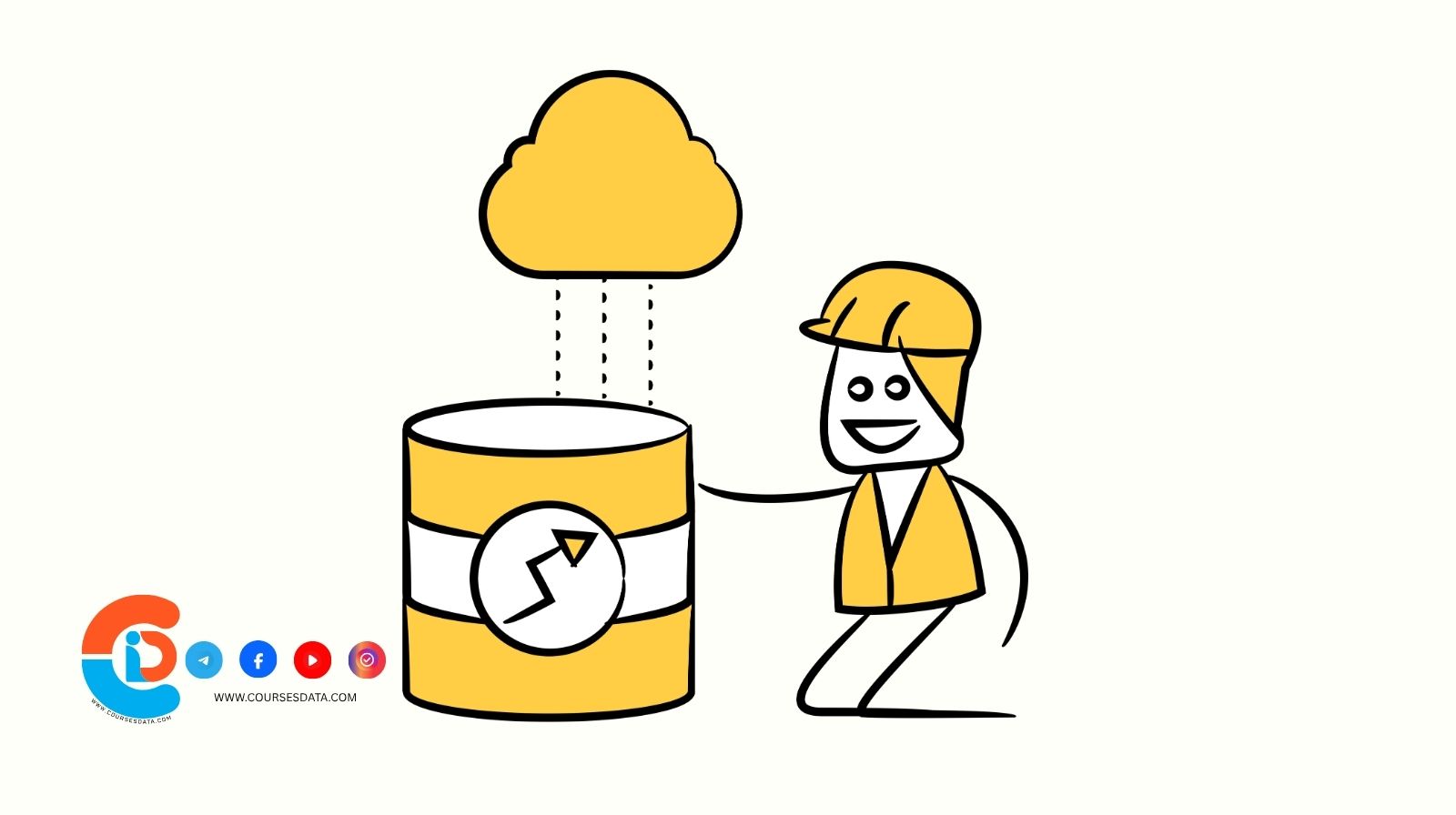
Cloud network engineers design and operate networking components used by cloud systems.
Their work can involve virtual networks, routing, firewalls, VPNs, load balancing, DNS, connectivity between cloud and on-premises environments, and network security.
Useful skills include:
- TCP/IP.
- DNS.
- Routing.
- VPN technologies.
- Firewalls.
- Load balancing.
- Cloud networking.
- Network monitoring.
- Infrastructure automation.
For a related U.S.
occupational benchmark, the Bureau of Labor Statistics reports a $134,050 median annual wage for computer network architects.
The occupation includes designing and implementing data communication networks, although it is broader than cloud networking alone.
7. Cloud Database Engineer
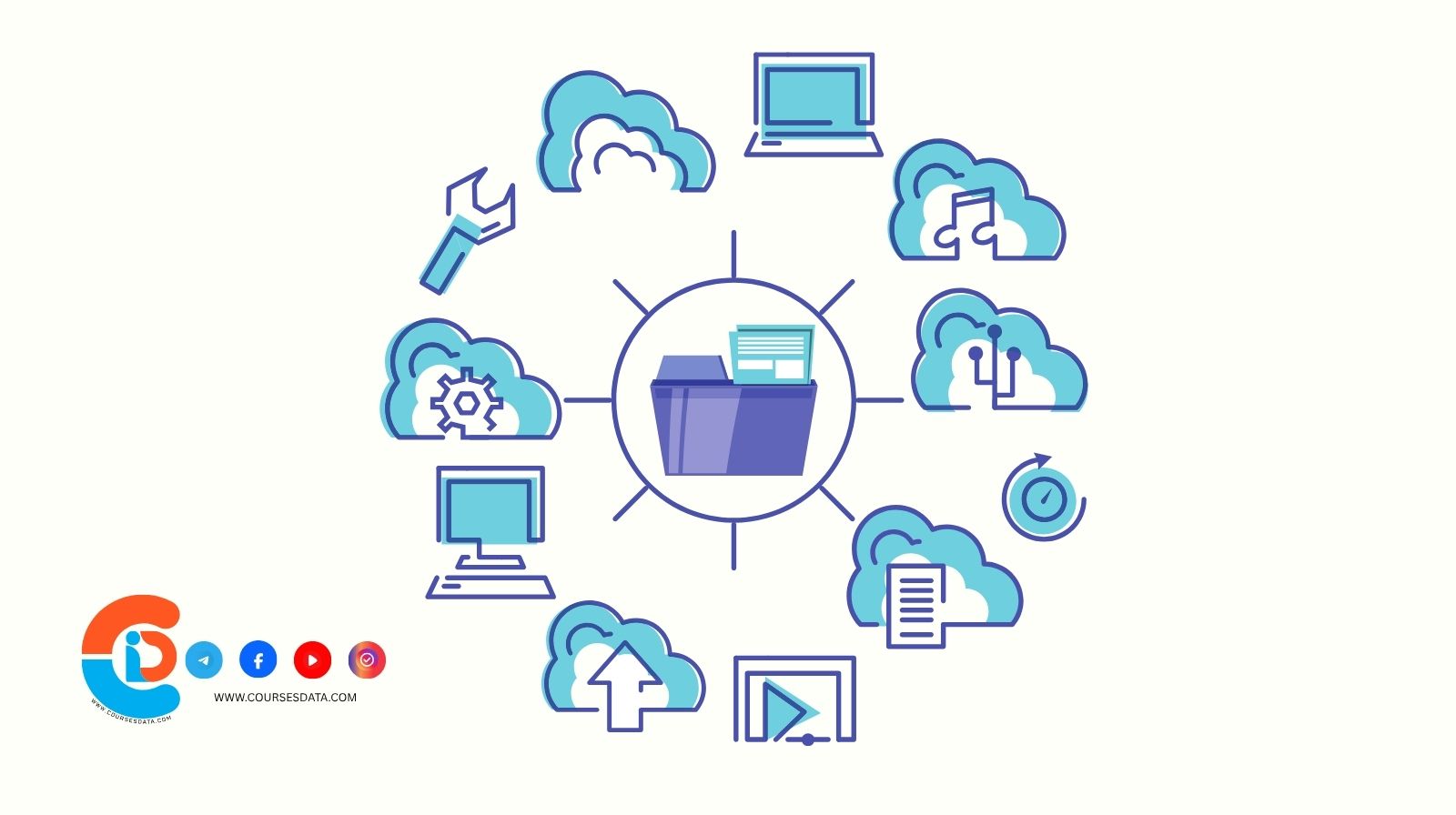
Cloud database engineers design, migrate, operate, and optimize databases hosted on cloud platforms.
The work can include relational databases, NoSQL systems, backups, replication, performance optimization, availability, and database security.
A strong candidate may understand:
- SQL.
- Database architecture.
- PostgreSQL or MySQL.
- Cloud-managed databases.
- NoSQL databases.
- Backup and recovery.
- Database monitoring.
- High availability.
- Data security.
In the United States, the BLS reports a $126,760 median annual wage for database administrators and architects.
This is a broader occupation that includes database work performed in cloud environments.
8. Site Reliability Engineer

Site Reliability Engineers, commonly called SREs, apply software engineering and automation principles to the reliability of production systems.
An SRE may be responsible for:
- System availability.
- Monitoring.
- Incident response.
- Automation.
- Performance.
- Capacity planning.
- Deployment reliability.
- Disaster recovery.
- Reducing repetitive operational work.
SRE positions are particularly relevant to large cloud-based platforms where applications must remain reliable while being continuously updated.
Because SRE is not consistently classified as a separate occupation in national labor statistics, salary comparisons should use related software, infrastructure, or systems occupations rather than presenting an unsupported global SRE salary.
9. Cloud Software Engineer

Cloud software engineers combine conventional software development with cloud-native architecture.
For example, a developer might build an application that uses managed cloud databases, object storage, container orchestration, event-driven services, APIs, and automated deployment.
In the United States, the BLS reports a $135,980 median annual wage for software developers.
The BLS also projects software-developer employment to grow by 10% over its stated projection period.
Useful skills include:
- Software architecture.
- Programming.
- APIs.
- Distributed systems.
- Cloud services.
- Containers.
- Testing.
- CI/CD.
- Database technologies.
10. Cloud Infrastructure Engineer

Cloud infrastructure engineers concentrate on the underlying computing environment required by applications and services.
This may include compute resources, storage, networking, operating systems, containers, infrastructure automation, monitoring, and disaster recovery.
Canada’s Job Bank specifically lists cloud infrastructure engineer as a job title within the software engineers and designers occupational group.
Its national median wage is C$56.49 per hour.
Typical responsibilities include:
- Building cloud environments.
- Automating infrastructure.
- Maintaining operating systems.
- Configuring networking.
- Managing storage.
- Supporting deployments.
- Monitoring resources.
- Troubleshooting infrastructure failures.
Cloud Computing Salaries by Country
Salary comparisons between countries require caution because occupational classifications differ.
A “cloud engineer” in one country may be classified as a software engineer, network architect, systems specialist, or security professional in another.
| Country | Relevant cloud-related occupation | Official salary benchmark |
|---|---|---|
| United States | Software developer | $135,980 median/year |
| United States | Computer network architect | $134,050 median/year |
| United States | Information security analyst | $129,180 median/year |
| Canada | Cloud engineer | C$56.49 median/hour |
| Canada | Cloud developer | C$48.08 median/hour |
| Canada | Cybersecurity engineer | C$44.23 median/hour |
| Germany | Highly complex software-development roles, including Cloud Architect | €6,301 median/month |
| United Kingdom | Solutions architect | £36,000–£85,000/year |
| Australia | Software and applications programmer | A$2,537 median/week for full-time workers |
| Australia | Software and applications programmer | A$67 median/hour |
The U.S.
figures come from the Bureau of Labor Statistics, Canadian figures from Job Bank, German figures from the Federal Employment Agency’s Entgeltatlas, UK figures from the National Careers Service, and Australian figures from Jobs and Skills Australia
For Germany, the Federal Employment Agency’s occupational classification is particularly useful because its highly complex software-development category explicitly includes Cloud-Architect among the associated activities.
The national median shown for this occupational group is €6,301 gross per month.
Australia’s official data places software engineers and related positions within the broader Software and Applications Programmers group.
The median full-time weekly earnings are A$2,537, while median hourly earnings are A$67.
Salary statistics are most useful when treated as benchmarks, not promises. Actual compensation depends heavily on experience, location, employer, specialization, and the responsibilities of the position.
Skills Needed for a Cloud Engineering Career
Cloud engineering requires more than knowing how to create a virtual machine.
Employers commonly look for a combination of infrastructure, software, security, and problem-solving skills.
A practical learning path can include:
- Linux fundamentals.
- Computer networking.
- Python or another programming language.
- Git and version control.
- One major cloud platform.
- Infrastructure as Code.
- Docker.
- Kubernetes.
- CI/CD.
- Cloud security.
- Monitoring and logging.
- Databases.
It is usually better to develop strong fundamentals before attempting to learn every cloud service available.
For example, someone targeting a cloud infrastructure role could learn Linux, networking, AWS or Azure, Terraform, Docker, and CI/CD before moving into Kubernetes and advanced cloud architecture.
Which Cloud Certification Skills Are Useful?
Certifications can help demonstrate structured learning, but they do not replace practical experience.
A useful certification strategy is to select credentials that match the job you want rather than collecting unrelated certificates.
Consider building practical projects around:
- Cloud networking.
- Virtual machines.
- Object storage.
- Managed databases.
- Serverless applications.
- Kubernetes.
- Infrastructure as Code.
- CI/CD pipelines.
- Identity and access management.
- Monitoring and alerting.
For example, a portfolio project could deploy a web application using Infrastructure as Code, a managed database, HTTPS, automated deployment, monitoring, and appropriate access controls.
That project gives an employer something concrete to evaluate beyond a list of certificates.
How to Get a Cloud Engineering Job
Students and career changers can approach cloud engineering progressively rather than applying immediately for highly senior positions.
A practical sequence is:
- Learn networking and operating-system fundamentals.
- Choose AWS, Azure, or Google Cloud as a starting platform.
- Learn Linux administration.
- Learn basic scripting.
- Build small cloud projects.
- Learn Git and CI/CD.
- Study Infrastructure as Code.
- Add containers and Kubernetes.
- Develop cloud-security knowledge.
- Document projects in a professional portfolio.
Internships, junior DevOps positions, software-development roles, system-administration positions, and cloud-support roles can also provide relevant experience.
For international applicants, employment authorization is an additional consideration.
Canada’s Job Bank, for example, notes that foreign candidates need to consider whether they have the legal authorization required for the particular job.
Where Can Cloud Engineers Work?
Cloud professionals are employed across industries rather than only by cloud providers.
Common employers include:
- Software companies.
- Financial institutions.
- Banks.
- Telecommunications companies.
- Healthcare organizations.
- Consulting firms.
- E-commerce companies.
- Government organizations.
- Manufacturing companies.
- Universities.
- Technology startups.
- Managed-service providers.
The location also matters.
Within the same country, technology hubs can have substantially different salaries and living costs.
For example, Germany’s official data shows significant regional variation within software-development occupations, with the reported median for highly complex software-development roles differing among major cities and states
How to Compare Cloud Engineering Salaries
A salary number alone does not tell you whether a job is financially attractive.
When comparing international opportunities, examine:
- Gross annual salary.
- Net income after taxes.
- Housing costs.
- Health insurance.
- Pension contributions.
- Paid vacation.
- Bonus structure.
- Equity compensation.
- Relocation support.
- Visa or work-permit conditions.
- Remote-work arrangements.
- Career-development opportunities.
For example, an offer with a higher gross salary can have a different financial outcome from an offer with a lower salary but substantially lower housing costs and stronger employer benefits.
Canadian Job Bank data illustrates why location matters: the national cloud-engineer median is C$56.49 per hour, while the reported median for British Columbia is C$62.50 per hour.
Career Progression in Cloud Computing Engineering
Cloud careers can develop in several directions.
An engineer who starts with infrastructure operations may eventually specialize in architecture, security, reliability, platform engineering, or technical leadership.
Possible progression routes include:
- Junior Cloud Engineer.
- Cloud Engineer.
- Senior Cloud Engineer.
- Cloud Architect.
- Solutions Architect.
- Platform Engineer.
- Site Reliability Engineer.
- Cloud Security Engineer.
- DevOps Lead.
- Engineering Manager.
Not everyone needs to become an architect or manager.
Deep specialization in security, networking, databases, Kubernetes, or reliability can also lead to advanced technical positions.
Conclusion
Cloud computing engineering offers multiple career paths rather than one standardized job title.
Cloud engineers, architects, developers, DevOps engineers, security specialists, network engineers, database professionals, SREs, and infrastructure engineers can all work with cloud technologies, but their responsibilities and salaries vary by occupation and country.
Official labor statistics show strong compensation for several related technology occupations in markets such as the United States, Canada, Germany, the UK, and Australia.
However, international salary comparisons should always account for occupational definitions, taxation, benefits, living costs, experience, and work authorization.
Frequently Asked Questions
Is cloud computing engineering a good career for international students?
Cloud computing can provide several technology career paths, including software engineering, infrastructure, DevOps, cybersecurity, networking, and architecture.
International students should additionally investigate graduate work rights, employer sponsorship, and professional requirements in their target country.
What is the highest-paying cloud computing job?
There is no single globally standardized highest-paying cloud job because titles and salary classifications differ between countries.
Senior architecture, security, infrastructure, software, and engineering-leadership positions can have substantially different compensation depending on the employer and market.
Do I need a computer science degree to become a cloud engineer?
A degree can be useful, and some employers require or prefer one, but requirements vary.
Practical cloud projects, programming ability, networking knowledge, Linux skills, and relevant professional experience can also be important when employers evaluate candidates.
Which cloud platform should I learn first?
AWS, Microsoft Azure, and Google Cloud are all useful platforms.
A practical approach is to select one platform and learn its core services deeply before attempting to study multiple platforms simultaneously.
Can a beginner become a cloud engineer?
Yes, but cloud engineering usually requires several foundational skills.
A beginner should start with Linux, networking, programming, Git, and cloud fundamentals before progressing toward Infrastructure as Code, containers, automation, and advanced architecture.
Are cloud certifications enough to get a job?
Certifications can demonstrate knowledge but are not normally a substitute for practical experience.
Building and documenting real cloud projects can help demonstrate that you can actually deploy, troubleshoot, secure, and automate cloud environments.
Is cloud engineering the same as DevOps?
They overlap but are not identical.
Cloud engineering focuses heavily on cloud infrastructure and services, while DevOps emphasizes collaboration, automation, continuous integration, continuous delivery, and efficient software delivery and operations.
Can cloud engineers work remotely?
Many cloud-related tasks can be performed remotely because the infrastructure is accessed through digital tools.
However, remote-work availability depends on the employer, security requirements, location, and employment arrangement.
Which programming language is useful for cloud engineering?
Python is widely useful for automation and scripting, while Bash is valuable for Linux environments.
Depending on the role, engineers may also benefit from JavaScript, Go, Java, C#, or another language used by their organization’s applications.
How can I build a cloud engineering portfolio?
Create projects that demonstrate actual engineering work rather than only completing tutorials.
Examples include deploying an application with Infrastructure as Code, creating a CI/CD pipeline, containerizing an application, implementing monitoring, configuring secure access, and documenting the architecture and troubleshooting process.
Sources
- U.S. Bureau of Labor Statistics — Software Developers, Quality Assurance Analysts, and Testers
BLS — Software Developers (Bureau of Labor Statistics) - U.S. Bureau of Labor Statistics — Computer and Information Technology Occupations
BLS — Computer & IT Occupations (Bureau of Labor Statistics) - U.S. Bureau of Labor Statistics — Information Security Analysts
BLS — Information Security Analysts (Bureau of Labor Statistics) - U.S. Bureau of Labor Statistics — Occupational Employment and Wage Statistics
BLS — National Employment and Wage Data (Bureau of Labor Statistics) - Government of Canada — Job Bank: Cloud Engineer Wages
Canada Job Bank — Cloud Engineer (Job Bank) - Government of Canada — Job Bank: Cloud Developer Wages
Canada Job Bank — Cloud Developer (Job Bank) - Government of Canada — Job Bank: Cybersecurity Engineer Wages
Canada Job Bank — Cybersecurity Engineer (Job Bank) - Government of Canada — Job Bank: Cloud Infrastructure Engineer
Canada Job Bank — Cloud Infrastructure Engineer (Job Bank) - UK National Careers Service — Solutions Architect
National Careers Service — Solutions Architect (National Careers Service) - Jobs and Skills Australia — Software and Applications Programmers
Jobs and Skills Australia — Software and Applications Programmers (Jobs and Skills Australia) - Jobs and Skills Australia — Software Engineers
Jobs and Skills Australia — Software Engineers (Jobs and Skills Australia) - Jobs and Skills Australia — Australian Jobs
Jobs and Skills Australia — Australian Jobs (Jobs and Skills Australia)