Are you looking for the best British scholarships in microbiology to fund your postgraduate research or undergraduate studies at world-leading UK universities? Securing a fully funded scholarship can transform your academic career, providing access to elite laboratories, expert supervision, and a global network of scientific researchers and biotechnology professionals.
The United Kingdom remains a global powerhouse for life sciences, offering unparalleled opportunities for international students to specialize in virology, immunology, and environmental microbiology. British scholarships in microbiology are highly competitive but offer substantial financial support, covering tuition fees, monthly stipends, and research grants for fieldwork.
Doctoral candidates seeking British scholarships in microbiology often find support through Research Councils or university-specific endowments that prioritize high-impact scientific innovation. These programs are designed to attract the brightest minds to solve global challenges like antimicrobial resistance, pandemic preparedness, and sustainable agricultural practices through microbial science.
Wellcome Trust PhD Studentships
BBSRC Doctoral Training Partnerships
MRC Experimental Medicine Awards
Newton Fund Research Grants
Imperial College President’s Scholarship
University of Manchester Equity Awards
Warwick Chancellor’s International Scholarships
Edinburgh Global Research Awards
Sheffield Hallam Transform Together
Bristol University Think Big Awards
Government Sponsored Grants for International Scholars
The UK government invests heavily in international talent through various departmental initiatives aimed at fostering diplomatic and scientific ties with nations worldwide. These British scholarships in microbiology often include comprehensive packages that handle visa fees and travel costs, allowing students to focus entirely on their laboratory work and academic publications.
British Council Women in STEM
Commonwealth Shared Scholarships
Global Wales Postgraduate Scholarships
Scottish Power Foundation Awards
Chevening Fellowships for Mid-Career
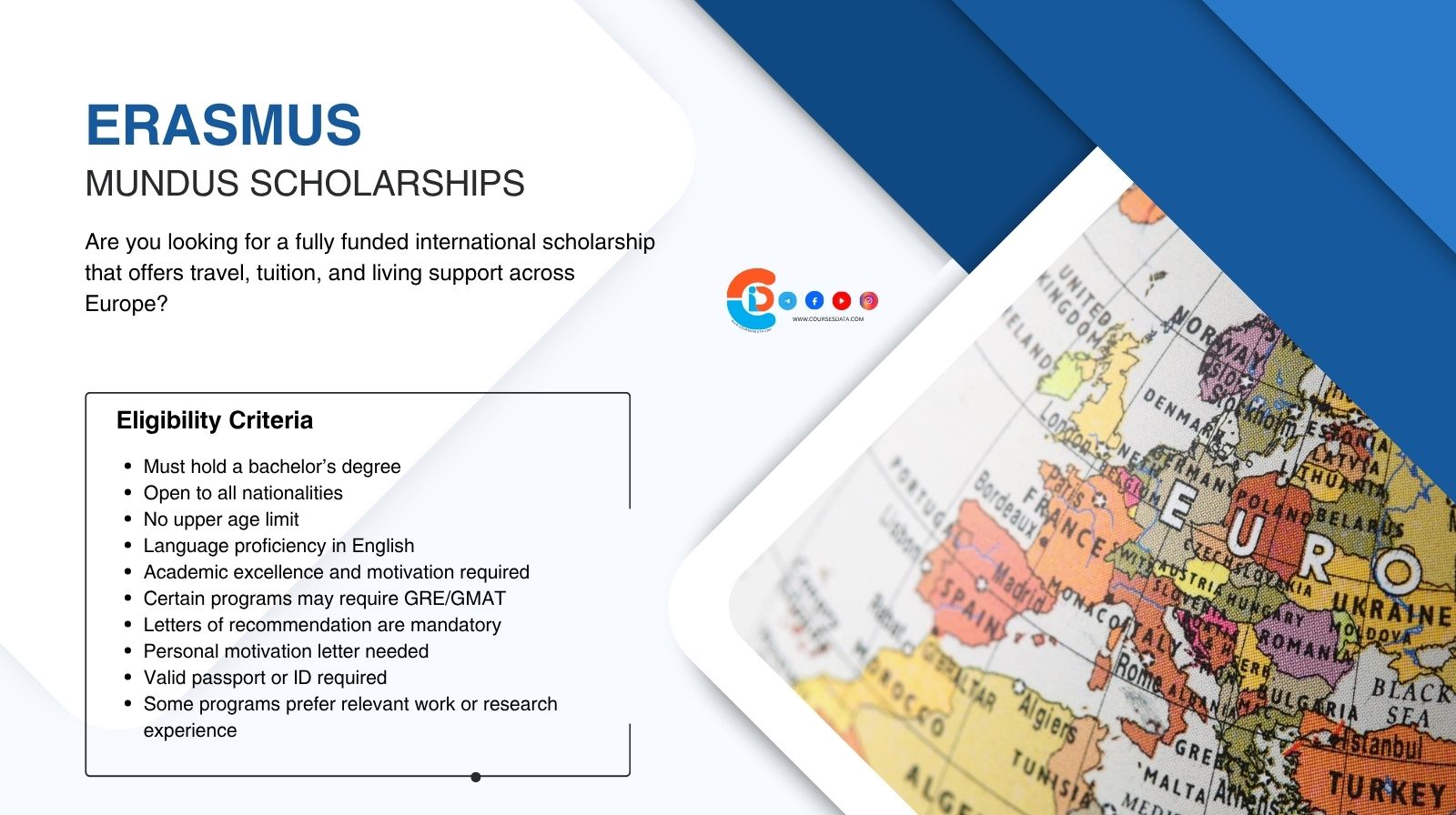
Erasmus+ Program Mobility Grants
UKRI International Funding Streams
Hornby Educational Trust Grants
Said Foundation Scholarships
Developing Solutions Masters Awards
University Specific Microbiology Financial Aid
Individual institutions across England, Scotland, Wales, and Northern Ireland provide dedicated British scholarships in microbiology to bolster their specific research departments. These awards often target specific niches, such as clinical microbiology or industrial biotechnology, ensuring that the next generation of scientists has the resources needed for breakthrough discoveries.
Leeds University Tetley & Lupton
University of Reading Felix Scholarships
Strathclyde Research Student Awards
Aberystwyth University Excellence Exchange
Swansea University Eira Davies Award
Cardiff University Vice-Chancellor’s Fund
Queen’s University Belfast International
University of Exeter Global Excellence
Liverpool School of Tropical Medicine
London School of Hygiene Awards
Scholarship Name
Coverage Type
Target Audience
Chevening Scholarship
Fully Funded
Global Leaders
Gates Cambridge
Full Cost of Study
Outstanding Scholars
Commonwealth Shared
Tuition & Stipend
Developing Nations
GREAT Scholarships
£10,000 Minimum
14 Specific Countries
Clarendon Fund
Full Tuition + Grant
Oxford Applicants
Specialized Awards for Clinical and Applied Microbiology
Professional bodies and private foundations frequently offer British scholarships in microbiology for students focusing on the practical application of microbial research in healthcare. These grants support projects that investigate infectious diseases, vaccine development, and the human microbiome, bridging the gap between theoretical study and real-world medical solutions.
Society for Applied Microbiology Grants
Biochemical Society Summer Studentships
Microbiology Society Education Awards
Pathological Society PhD Funding
Royal Society of Biology Grants
Genetics Society Training Grants
British Infection Association Awards
Healthcare Infection Society Funding
British Society for Antimicrobial Chemotherapy
Lister Institute Research Prizes
Essential Requirements for Microbiology Applicants
To successfully claim British scholarships in microbiology, candidates must demonstrate exceptional academic merit, a strong background in biological sciences, and a clear research proposal. Most funding bodies require proof of English proficiency, letters of recommendation from reputable academics, and a compelling personal statement outlining your career goals.
The application timeline for British scholarships in microbiology usually begins a year before the course start date, requiring meticulous planning and early submission. Navigating the process involves identifying the right funding body, aligning your research interests with the sponsor’s mission, and ensuring all documentation meets strict institutional standards.
Identify target scholarship deadlines
Secure an unconditional university offer
Draft a tailored personal statement
Contact potential PhD supervisors early
Gather all academic transcripts
Take required English language tests
Request references well in advance
Review specific eligibility criteria
Submit applications via official portals
Prepare for potential video interviews
“The UK’s microbiology sector contributes significantly to global health security; scholarships are the primary vehicle for ensuring diverse talent leads this vital work.” — Dr. Sarah Jenkins, Research Fellow.
Application timeline
Phase 1: Preparation and Research (July – August)
Before the portal opens, you must identify three different UK Master’s courses in microbiology (e.g., Clinical Microbiology at Nottingham, Immunology and Immunotherapy at Birmingham, or Biotechnology at Edinburgh). Ensure these courses meet Chevening’s eligibility criteria for the award year.
Research microbiology Master’s programs across 150+ UK universities.
Check specific English language requirements (IELTS/PTE) for each department.
Confirm you have 2,800 hours (roughly 2 years) of relevant work experience.
Draft your four mandatory 500-word essays early.
Contact two academic or professional referees for letters of support.
Gather undergraduate transcripts and degree certificates.
Brainstorm leadership examples within your laboratory or community work.
Map your career plan for improving healthcare in your home country.
Review the “Global Priorities” of the UK Foreign & Commonwealth Office.
Create an account on the official Chevening online application portal.
Phase 2: Application and Sifting (September – November)
The application portal typically opens in early August and remains open for approximately two months. This is a critical window where you must submit your biographical data, course choices, and essays without any assistance from AI tools, which are strictly forbidden.
August 5, : The Chevening application window officially opens at 12:00 UTC.
October 7, : The deadline for all online applications (12:00 UTC/GMT).
Complete the online eligibility questionnaire before starting the main form.
Submit your three university course choices in order of preference.
Upload your educational documents directly to the portal.
Verify your contact details to receive system-generated access codes.
November: Independent reading committees begin sifting eligible applications.
Assess your laboratory research impact for the “Networking” essay.
Double-check that your first-choice course aligns with your long-term goals.
Wait for the initial eligibility check to be completed by the Secretariat.
Phase 3: Shortlisting and Interviews (February – April)
If you pass the reading committee stage, you will be invited to an interview at your local British Embassy or High Commission. This phase focuses on your leadership potential and your ability to represent the UK-home country partnership in the field of microbiology.
Schedule your interview slot through the online system immediately.
Upload your references and education documents at least 7 days before the interview.
March – April: Global interviews take place (in-person or online).
Prepare answers regarding antimicrobial resistance or pandemic preparedness.
Practice your pitch on why you chose specific UK microbiology departments.
Review your essay content as most interview questions stem from them.
Bring original copies of your passport and degree certificates.
Apply to your three chosen UK universities (if you haven’t already).
Maintain contact with your prospective university admissions teams.
Phase 4: Final Selection and Results (May – July)
The final stage involves securing a place at a university. Even if the Chevening committee selects you, the scholarship is only valid if you have an “unconditional offer” from at least one of your three chosen microbiology courses by the final deadline.
Mid-June: Official scholarship results are announced to all candidates.
July 9, : The final deadline to submit your unconditional university offer.
Confirm your acceptance of the scholarship offer within the specified timeframe.
Submit your final medical report and health disclosure forms.
Begin the UK Student Visa (formerly Tier 4) application process.
Attend pre-departure briefings organized by the British Council.
Receive your Final Award Letter (FAL) and travel booking instructions.
August : Book your flights and organize international health insurance.
September : Arrive in the UK to begin your microbiology Master’s.
Join the global Chevening alumni network for lifelong career support.
Milestone
Date / Period
Action Required
Applications Open
August 5,
Create portal account
Submission Deadline
October 7,
Submit essays & courses
Interview Shortlist
Mid-February
Schedule embassy interview
Interviews
March – April
Attend panel interview
Results Announced
Mid-June
Check email for outcome
Offer Deadline
July 9,
Upload unconditional offer
Course Start
Sept / Oct
Travel to the UK
Frequently Asked Questions
Which UK university is best for microbiology scholarships?
Oxford, Cambridge, and Imperial College London offer the most prestigious funding, but the University of Dundee and Nottingham also provide excellent specific grants for life sciences.
Can I get a fully funded scholarship for a Master’s in microbiology?
Yes, programs like Chevening and the Commonwealth Shared Scholarship offer full funding including living expenses for international Master’s students in the UK.
Is work experience required for British microbiology scholarships?
While not always mandatory for Master’s programs, relevant laboratory or clinical experience significantly strengthens your application for competitive research-based funding and PhD grants.
What is the average stipend for a microbiology PhD in the UK?
Most UKRI-aligned scholarships provide a tax-free living allowance of approximately £18,000 to £19,000 per year, though this may be higher in London.
Are there specific scholarships for women in microbiology?
Yes, the British Council u0022Women in STEMu0022 scholarships specifically target female scientists from various regions to pursue postgraduate studies in the United Kingdom.
Conclusion
Securing British scholarships in microbiology is a definitive step toward a prestigious career in global health, biotechnology, and scientific research. These funding opportunities provide the essential financial and academic support needed to excel in the UK’s world-class educational environment.